Whoa! Wallets are weirdly personal. I mean, you can tell a lot about someone’s crypto habits by how they talk about gas, approvals, and… seed phrases. My gut said the browser extension layer would be boring, but then I started using one seriously and things changed fast. Initially I thought extensions were just convenience wrappers for keys, but then I realized they’re also a UX battleground and a real security choke point—so small decisions matter, like how requests are batched or how approvals are displayed. This is not just technical detail; it shapes everyday behavior, and that shapes risk.
Wow! Extensions live between you and the web. They intercept transactions and approvals, they stand up when you click “connect”, and they sometimes save you from dumb mistakes. On the other hand, they can also be the weakest link, especially when users just click through prompts. So, no, the extension itself isn’t magic; it’s a set of trade-offs. My instinct said guard the seed phrase, always, though actually you also have to guard the UX—because people make mistakes when the interface is confusing.
Here’s the thing. I’ve been noodling with DeFi wallets for years—wallets that are browser-first, mobile-first, or hardware-centric—so I’m biased, but browser extensions have matured. Seriously? They have. They now support nuanced features like per-site permissions, transaction simulation, and clear approval management, which used to be somethin’ of a dream. For many users, that mix of convenience and control is why they stick with an extension wallet day-to-day. And yes, I still sometimes feel uneasy about having keys reachable from a browser tab… but the right patterns help.
Wow! Let me walk you through what I look for in an extension wallet. I inspect how approvals are presented—do they show token allowances with clear limits? Do they warn on unlimited approvals? I look at gas customization: can I set specific gas-fee strategies without breaking things? Also: do they let me swap across multiple DEXes or add custom networks without jumping through hoops? These are the small things that add up to safer, less annoying DeFi interactions, and they tend to separate hobby wallets from tools used by pros.
Wow! There’s also flow design. Good wallets reduce cognitive load by grouping similar actions and surfacing risks before the user signs. For example, grouping multiple token approvals into one interface, or highlighting metadata about contract creators, can be huge. Initially I thought users would always read the details, but experience shows they rarely do. So a wallet that nudges people toward safer defaults—while keeping power features available—is worth its weight in user trust.
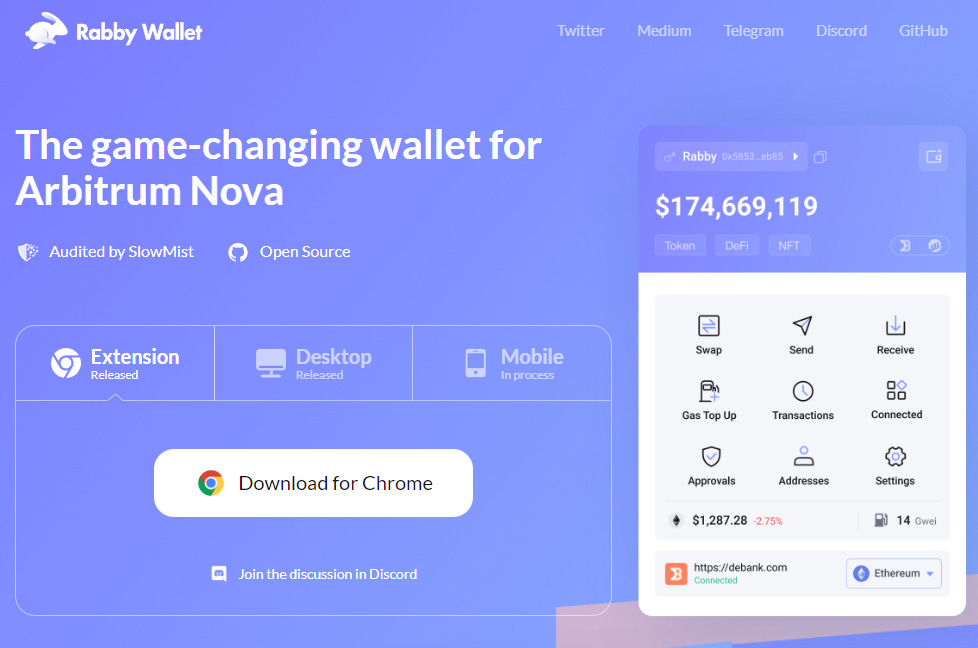
Whoa! Now, about Rabby specifically—the one I reached for when I wanted that mix of control and convenience. In my day-to-day testing it handled permission management better than many others. I liked the way it showed approvals and suggested revocations without making me feel like I was poking around under the hood. Honestly, some parts still bug me—like any UI, there are rough edges—but overall it reduces the friction of safe behavior. If you want to try it out, check the official download page here: https://sites.google.com/cryptowalletextensionus.com/rabby-wallet-download/
Wow! Security practices matter, and here’s the practical side: seed phrases should be hardware-backed for serious balances, but extensions are excellent for everyday activity. Use hardware for savings and an extension like Rabby for trading, bridging small amounts, and interacting with dApps you trust. On one hand this feels like splitting your life into neat boxes, and on the other hand it’s a simple, effective risk management tactic that actually works in the wild—because people do use multiple wallets and accounts, not just one.
Whoa! Transaction simulation is underrated. When the wallet simulates a transaction and surfaces what might happen—token outputs, slippage, contract calls—that’s when you stop falling for bait-and-switch contracts. Some wallets gloss over it; some make it clear. The better ones show an intent summary and map it back to on-chain calls, and that clarity helps people pause and read. My first impression was “meh”, but after using a few dApps that attempted subtle thefts, those sims saved me—twice.
Wow! User education is part of the product too. People forget that clear prompts and inline tips reduce costly errors. A wallet that warns about unlimited approvals, that suggests revoking dormant allowances, or that flags newly deployed contracts, adds real protective value. That said, too much nagging can lead to prompt fatigue, so there’s a balance. I’ve seen wallets that nag so often users just click through—they become useless in a different way.
Whoa! Integrations matter. I want an extension to talk cleanly with hardware wallets, to let me switch networks without breaking sessions, and to let me manage multiple accounts simply. Cross-account workflows—moving funds between your “spend” and “savings” accounts with a single signed transaction—are the sort of pro-features that should be mainstream. At the same time, simplicity for newcomers can’t be sacrificed; people need clear defaults to avoid costlier mistakes.
Practical Tips for Using a Browser Extension Wallet Safely
Wow! Keep balances small in extension wallets. Use hardware for your long-term stash. Monitor approvals monthly. Revoke unused allowances. Enable phishing protection where available. I know, it sounds repetitive, but very very important—habit beats one-off panic moves. Also, when you connect to a new dApp, pause—look at the requested permissions, and if something smells off, back out and research the contract. Your instinct is often right: sometimes somethin’ feels off and it’s worth listening.
Whoa! For advanced users, try batching approvals and keeping an eye on ERC-20 vs ERC-721 nuance. For devs, build with wallet ergonomics in mind—clear method names and minimal approval requests. Initially I thought wallets would force devs to be more careful, but actually dev habits lag; good wallets nudge them toward safer patterns though that’s not a silver bullet.
FAQ
Is a browser extension wallet safe for DeFi?
Wow! Safe enough for day-to-day use if you follow smart practices: keep only working capital in the extension, use hardware for long-term funds, check approvals, and use wallets that surface transaction intent clearly. Seriously? Yes—risk is about behavior as much as tech. On one hand, browser access increases attack surface; on the other hand, good UX and permission models can reduce user error. So use multiple layers of defense and treat the extension as a convenient but not invincible tool.
How do I choose the right extension wallet?
Whoa! Look for clarity on approvals, support for hardware integration, active maintenance, and a community you trust. Try it with small amounts first. I’m not 100% sure any single wallet is best for everyone, but pick one that nudges you toward safe defaults and that makes advanced features accessible without being confusing.